
Have you ever wondered how the intricate systems within your body communicate and orchestrate various functions? It’s fascinating to think about, isn’t it? Hormones, those tiny chemical messengers, play a fundamental role in regulating countless processes across different systems in the human body. They travel through your bloodstream to different organs and tissues, essentially determining how the body operates and responds to the world around you.


Understanding Hormones
Hormones are part of the endocrine system, a collection of glands that produce and secrete hormones directly into the circulatory system to be carried towards distant target organs. These glands help manage almost every aspect of your body’s function, from development and metabolism to mood and reproductive processes.
The Role and Importance of Hormones
Table of Contents
To put it simply, hormones are responsible for keeping the body in balance. They ensure that your body gets the right signals at the right times. For instance, while you’re eating, certain hormones are triggered to manage the use of your food energy, and others help you recognize when you’re full. Hormones are at the heart of how we grow, reproduce, and even interact with the environment.
Why Understanding Hormones Matters
Understanding hormones can enhance one’s grasp of how certain diseases, disorders, or lifestyle choices affect the body. With a clearer picture of hormone functions, you may appreciate more fully why a healthy lifestyle is paramount and how preventive measures can shield you from potential health issues.
The Three Categories of Hormones
In essence, hormones can be classified into three primary categories: peptide hormones, steroid hormones, and amine hormones. Each category is distinct in its composition, mechanism, and role within the body.
Peptide Hormones
Peptide hormones are composed of chains of amino acids and are the most diverse group of hormones. They operate by binding to receptors on the surface of target cells. Because they cannot pass through the cellular membrane, they rely on other receptors and molecules to exert their effect inside the cell.
Examples and Functions
- Insulin: Produced by the pancreas, insulin helps regulate glucose levels in the blood.
- Glucagon: Also from the pancreas, glucagon works in opposition to insulin, raising blood glucose.
- Growth Hormone: Secreted by the pituitary gland, it stimulates growth, cell reproduction, and cell regeneration.
These hormones are often derived from prohormones, which, when activated, take part in specific regulatory processes.
Importance of Peptide Hormones
As you can see, peptide hormones are crucial in metabolic processes. They are crucial for maintaining homeostasis and flexibility in responding to changing environmental circumstances.
Steroid Hormones
Steroid hormones are derived from lipids, specifically cholesterol, making them fat-soluble. This solubility allows them to pass through cell membranes easily, binding to receptors inside the target cells to activate or deactivate gene expression.
Examples and Functions
- Cortisol: Released by the adrenal glands, cortisol plays critical roles in controlling stress, inflammation, and metabolism.
- Estrogen and Testosterone: These sex hormones, produced in the ovaries and testes, are key in reproductive processes and sexual characteristics.
- Aldosterone: Another adrenal gland product, aldosterone helps regulate sodium and potassium levels, thus managing blood pressure and fluid balance.
Importance of Steroid Hormones
Steroid hormones have roles that go beyond the biological functions, such as influencing behavior and mood by interacting with the brain’s systems. Their proper functioning is vital for development, growth, and overall homeostasis.
Amine Hormones
Amine hormones, derived from single amino acids like tryptophan or tyrosine, contain both water-soluble and fat-soluble characteristics. This enables them to operate via various mechanisms, interacting with membrane-bound receptors or entering cells to influence gene expression.
Examples and Functions
- Epinephrine: Often referred to as adrenaline, this hormone from the adrenal medulla prepares the body for ‘fight-or-flight’ responses.
- Thyroxine (T4) and Triiodothyronine (T3): These thyroid hormones regulate metabolism, heat production, and development.
- Melatonin: Synthesized by the pineal gland, it influences sleep cycles and circadian rhythms.
Importance of Amine Hormones
The versatile nature of these hormones allows them to affect a wide range of physiological processes and responses. Their dual solubility characteristics provide unique pathways to regulate body and brain functions deeply.
A Comparative Overview
Let’s compare these hormone categories in a simple table to help highlight their main characteristics:
| Hormone Type | Composition | Solubility | Example | Function |
|---|---|---|---|---|
| Peptide Hormones | Amino acid chains | Water-soluble | Insulin, Glucagon | Regulate glucose metabolism |
| Steroid Hormones | Derived from lipids | Fat-soluble | Cortisol, Testosterone | Manage stress, reproduction, metabolism |
| Amine Hormones | Single amino acids | Both | Epinephrine, Thyroxine | Regulate metabolism, stress response, sleep |

Interactions and Effects on Health
Coordinated Actions
Hormones never work in isolation; they interact synergistically or antagonistically, shaping the body’s response to stimuli and maintaining internal balance. Consider insulin and glucagon, which work collaboratively to maintain blood glucose levels within a narrow range.
Impact on Health
A crisis in one hormone’s functioning could lead to severe health conditions. For instance, an imbalance in insulin can lead to diabetes, while excessive cortisol levels can give rise to Cushing’s syndrome. This illustrates the precision with which these chemical messengers must operate to maintain optimal health.
Lifestyle Impacts on Hormones
Factors such as diet, exercise, stress, and sleep significantly influence hormone balance. Regular physical activity improves insulin sensitivity while reducing stress hormone levels. A balanced diet and proper sleep are also crucial in maintaining hormonal health.
The Future of Hormonal Research
Advances in Science
As science unfolds more about hormones, you’ll find innovative ways being developed to tackle hormonal imbalances and their subsequent disorders. Personalized medicine and hormonal replacement therapies are opening up new vistas for enhanced health management.
Role of Technology
Technology has become an ally in decoding the complex workings of hormones. Advanced biochemical assays and imaging techniques have significantly improved diagnostic and therapeutic interventions, allowing for precision interventions tailored to individual hormonal profiles.
Holistic Approaches
Holistic and integrative medicine also shows promise in addressing hormonal health by focusing on the interconnectedness of the body’s systems, promoting the use of natural remedies and lifestyle changes to bring harmony among the different hormones.

Final Thoughts
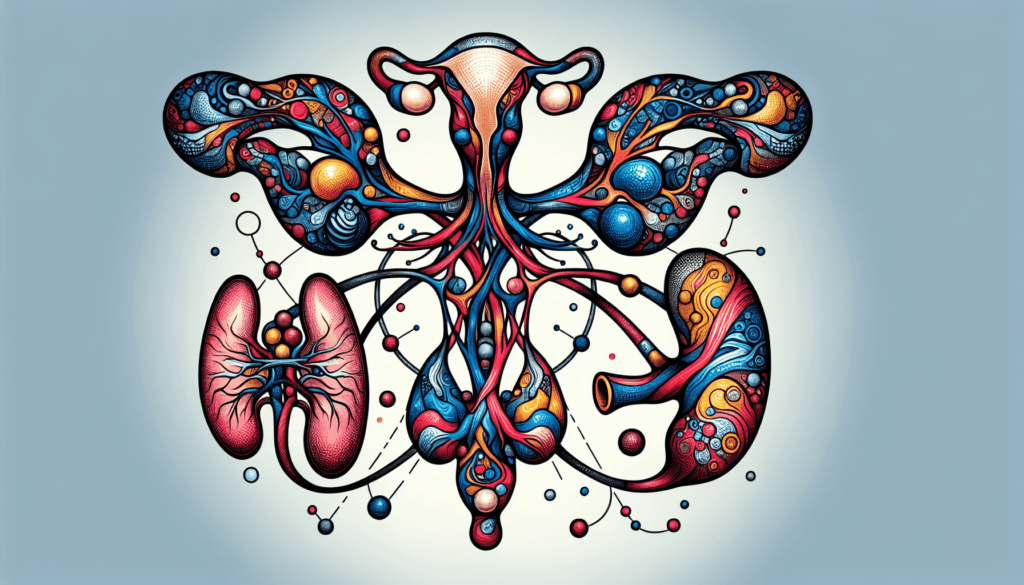
The world of hormones is remarkably intricate and influential, playing an unseen yet crucial part in your daily life. By understanding the different categories of hormones and their specific roles, you gain insight into the myriad ways these chemical messengers keep your body finely tuned. Embracing knowledge about hormones could lead you to more informed choices about your health and wellness. After all, the better you understand the communications within your body, the more harmoniously you can live with the rhythm it sets.
With this understanding, you’re now more equipped to appreciate the subtle wonders of your body’s hormonal symphony—a symphony that is always playing and always adapting to keep you thriving.