
Have you ever wondered why your body feels a certain way on some days and different on others? Maybe you’ve noticed shifts in your mood or energy levels and found yourself pondering the underlying causes. These experiences are often influenced by hormones, the chemical messengers that play a pivotal role in your body’s overall health. In understanding these tiny, yet mighty, substances, you’ll find the foundation of all things related to physical well-being and emotional balance.

Hormones: What Are They?
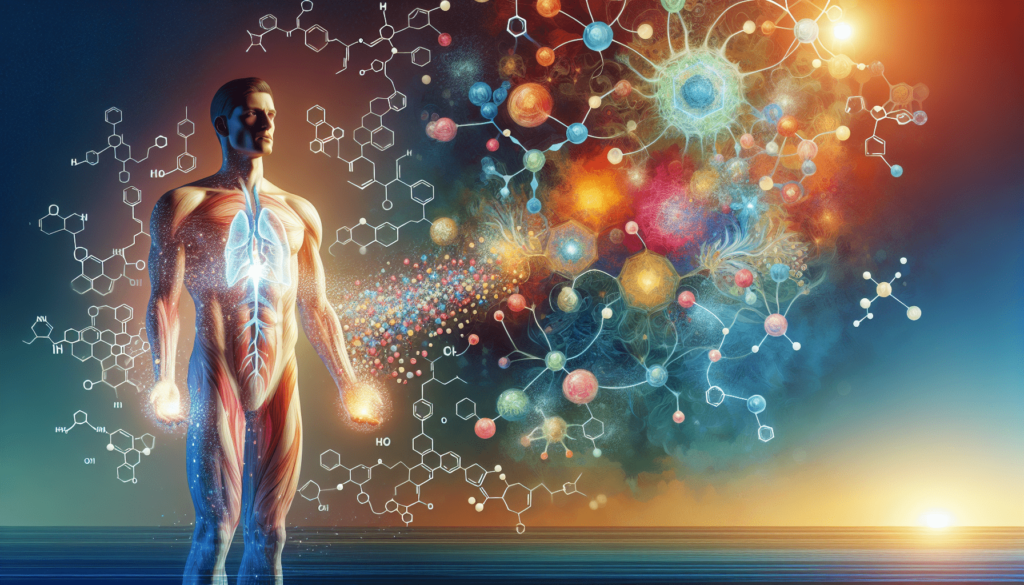
Hormones are biochemical substances produced by glands in your endocrine system. They are secreted into your bloodstream and travel to tissues and organs, influencing various bodily functions. These substances might be tiny, but they pack a powerful punch in how your body operates.
The Nature of Hormones
Table of Contents
Think of hormones as little chemical messengers. They are tasked with ensuring communication between different parts of your body. Produced in specific parts of your body (mainly your endocrine glands), they reach almost every cell, organ, and function, influencing processes such as growth, metabolism, and mood.
The Primary Purpose
The main role of hormones is maintaining homeostasis—keeping your body in a state of balance. This involves regulating physiological activities to match your internal needs with your external environment. Whether you’re running from a threat or digesting a meal, hormones help your body respond optimally.
Key Hormones and Their Functions
Understanding the various hormones can help demystify how your bodily functions are regulated. Each hormone has a unique role, often working together with others to maintain balance and health.
Insulin: Regulating Blood Sugar
Produced by the pancreas, insulin is vital in regulating glucose levels in your blood. It facilitates the entry of glucose into cells, where it can be used for energy or stored for future use. If insulin production or function is impaired, it can lead to diabetes, a chronic condition with significant health implications.
Cortisol: The Stress Hormone
Cortisol, produced by your adrenal glands, is essential for helping your body manage stress. It influences your metabolism and immune response and helps maintain blood pressure. While critical in short-term stress response, chronic elevated cortisol levels can lead to health issues such as anxiety, depression, and heart disease.
Thyroid Hormones: Metabolism Regulators
Your thyroid gland produces hormones like thyroxine (T4) and triiodothyronine (T3), which dictate your metabolic rate—the speed at which your body converts food into energy. These hormones influence growth, development, and body temperature. An imbalance can lead to conditions like hypothyroidism or hyperthyroidism, with wide-ranging symptoms.
Estrogen and Testosterone: Sex Hormones
Estrogen and testosterone are crucial in sexual development, reproductive functions, and maintaining bone density. While termed as female and male hormones respectively, both genders need a balance of these to optimize health, mood, and energy levels.
Growth Hormone: Development and Repair
Produced by your pituitary gland, the growth hormone plays an integral role in growth, body composition, and cell repair. It encourages muscle growth, fat utilization, and bone density. Deficiencies can lead to growth disorders in children and altered body composition in adults.
Adrenaline: Fight or Flight
Produced in the adrenal glands, adrenaline prepares your body to respond to emergency situations. It increases heart rate, blood flow to muscles, and energy levels, preparing you to face or flee from danger.

The Hormonal System’s Importance
You might wonder why the hormonal system holds such weight in your health. It’s because hormones are critical components that regulate nearly every aspect of bodily function.
Maintaining Homeostasis
Without hormones, your body’s internal environment would fall into chaos. From regulating body temperature to balancing blood sugar levels, they ensure every process occurs within a narrow range ideal for health.
Influencing Physical and Mental Health
Hormones shape both your physiological and psychological states. From affecting your sleep patterns and immune response to playing a vital role in mood regulation and mental health, their influence is profound and far-reaching.
Impact on Growth and Development
Hormones drive growth and development from childhood through adulthood. They ensure that physical changes occur at the right times and that your body adapts to each stage of life with precision and care.
The Endocrine System: Your Hormone Headquarters
To understand how hormones function, you need a glimpse into the endocrine system—a network of glands responsible for hormone production.
Major Glands and Their Roles
| Gland | Hormones Produced | Function |
|---|---|---|
| Hypothalamus | Various releasing hormones | Regulates the pituitary gland |
| Pituitary Gland | Growth hormone, ACTH, TSH, etc. | Master gland controlling others |
| Thyroid | T3, T4, Calcitonin | Metabolic rate and calcium levels |
| Adrenal Glands | Cortisol, adrenaline | Stress response, metabolic functions |
| Pancreas | Insulin, glucagon | Blood sugar regulation |
| Gonads | Estrogen, testosterone | Sexual function and development |
Each gland releases specific hormones which have target organs and functions, creating a complex feedback system vital for maintaining health.

Common Hormonal Disorders
A disruption in hormone production can lead to various disorders. Understanding these can point to causes and symptoms, enabling proactive management.
Diabetes: A Glucose Regulation Issue
Diabetes occurs when your pancreas doesn’t produce enough insulin or your body can’t use it effectively. It’s marked by elevated blood sugar levels, leading to complications such as vision loss, cardiovascular disease, and neuropathy.
Thyroid Disorders: Imbalances in Metabolism
Conditions like hypothyroidism (low thyroid hormone production) and hyperthyroidism (excess thyroid hormone) affect your body’s metabolism. Symptoms such as weight change, fatigue, hair loss, and temperature sensitivity may arise.
Polycystic Ovary Syndrome: Hormonal Imbalance in Women
PCOS is a condition where women produce higher levels of male hormones, leading to irregular menstrual cycles, cysts on ovaries, and difficulty in conceiving. It is also associated with insulin resistance, making lifestyle management essential.
Adrenal Insufficiency: Inadequate Hormone Production
This occurs when adrenal glands don’t produce enough cortisol, causing symptoms like fatigue, muscle weakness, weight loss, and low blood pressure. Managing stress and hormonal levels becomes crucial in such cases.
Hormones and Lifestyle: A Two-Way Street
Your lifestyle choices significantly influence your hormonal health. Ironically, these hormones can also dictate how your lifestyle runs.
Nutrition: Fueling Hormonal Balance
The food you consume can greatly impact hormone levels. A balanced diet incorporating protein, healthy fats, and fibers supports healthy hormone production. Avoiding excessive sugar, caffeine, and processed foods can prevent imbalances.
Exercise: The Natural Hormone Booster
Regular physical activity can enhance hormone function. Exercise helps regulate insulin sensitivity, promotes the release of endorphins (the feel-good hormone), and aids in maintaining a healthy weight, all essential for balanced hormones.
Stress Management: Keeping Cortisol in Check
Chronic stress elevates cortisol levels, impacting your mental and physical health. Techniques such as mindfulness, meditation, and deep breathing exercises can help manage stress effectively, aiding in maintaining hormonal balance.
Sleep: Essential for Recovery and Regulation
Quality sleep is vital for hormone production and regulation. It helps stabilize cortisol levels and supports the production of vital hormones like growth hormone and insulin. Prioritizing a regular sleep schedule and creating a conducive environment can promote better hormonal health.

Seeking Balance: How to Manage Hormonal Health
Creating an optimal hormonal environment involves a mix of lifestyle adjustments and, when necessary, medical treatments.
Regular Check-ups and Monitoring
Having regular health check-ups can help in early detection and management of hormonal disorders. Blood tests and clinical evaluations guide the understanding of your hormonal health and necessary adjustments.
Holistic Approaches to Balance
Incorporating stress-relief practices, maintaining a balanced diet, and getting regular exercise are key components. Each of these aspects helps create a well-rounded approach to hormonal balance.
Medical Interventions: When Necessary
If lifestyle changes aren’t enough, medical interventions might be needed. This could include hormone replacement therapy, medications for chronic conditions, or specific treatments for gland-specific issues.
Conclusion
Understanding hormones and their intricate roles in your body provides a foundation for appreciating the complexity of human health. By recognizing their influence on growth, development, emotional balance, and overall well-being, you’ll have greater insight into keeping your body and mind in optimal condition. Living a life attuned to these chemical messengers can empower you toward a healthier lifestyle, ensuring that both mind and body function at their best. So, maybe the next time you feel a shift in your mood or energy, you’ll trace it back to these powerful messengers, appreciating the subtle yet profound symphony they create in your life.