
Have you ever wondered what keeps your body ticking smoothly, managing your mood, energy levels, and even your growth? If you find yourself curious about the intricate dance happening within your own system, then it could be time to learn more about hormones. Hormones are like the diligent messengers in your body’s bustling city, transmitting vital information to help you function optimally.
Understanding Hormones: The Body’s Messengers
In the grand orchestra that is your body, hormones play the vital role of conductors, ensuring everything stays in harmony. They are special chemicals produced by glands in your endocrine system. These minuscule powerhouses travel through your bloodstream to tissues and organs, affecting a multitude of processes, including growth and development, metabolism, sexual function, reproduction, and even mood. It’s stunning how these unseeable compounds wield such power over every facet of your life.

The Mechanics of Hormones
Table of Contents
Hormones work like keys fitting into locks. Each hormone has its specific receptor, a cell that will only respond to its unique hormonal signal. Once a hormone binds to its receptor, it instructs the cell to perform a specific action, like increasing muscle mass, adjusting your mood, or altering your metabolism rate. This specificity ensures that each hormone precisely impacts the required process, maintaining your body’s delicate balance.
The Origin of Hormones: Endocrine Glands
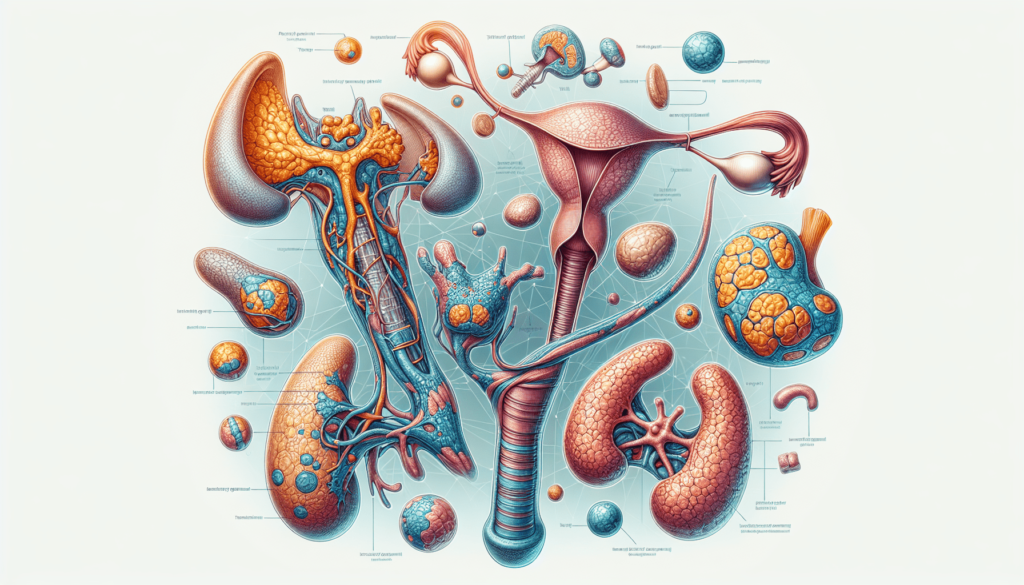
Where do these influential messengers originate? The answer lies in your endocrine glands. Each of these glands has unique purposes and functions:
- Hypothalamus: Often called the “control center,” it links your nervous and endocrine systems with hormones that influence your body’s water balance, temperature, and appetite.
- Pituitary Gland: Known as the “master gland,” it influences nearly every part of your body and regulates other endocrine glands.
- Pineal Gland: It produces melatonin, which affects your sleep cycle.
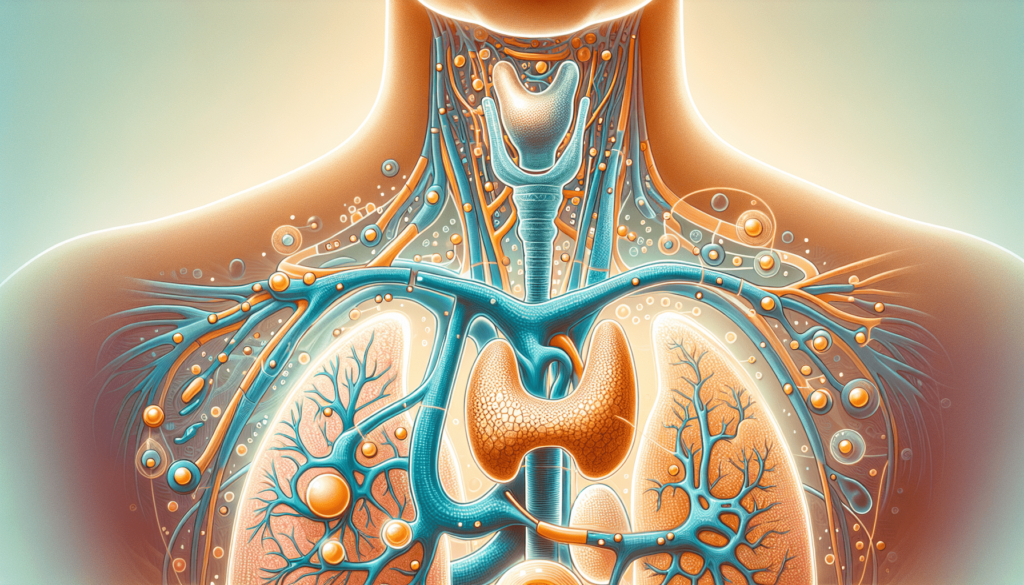
- Thyroid: This gland regulates metabolism, energy levels, and growth and development via thyroid hormones.
- Parathyroid: These glands control the calcium level in the blood.
- Adrenal Glands: They produce hormones that help control blood sugar, burn protein and fat, and regulate blood pressure.
- Pancreas: It has a significant role in digestion and insulin regulation.
- Ovaries/Testes: These gonads produce hormones essential for reproduction and secondary sexual characteristics.

Human Body Hormones: A Closer Look
Each hormone in your body serves a different purpose, and understanding their specific roles can help you appreciate their importance.
Growth Hormone (GH)
Secreted by the pituitary gland, GH is crucial for growth, cell reproduction, and regeneration. It plays a significant role in increasing height during childhood and maintaining tissues and organs throughout life. GH also influences your body’s composition, bodily fluids, muscle and bone growth, and fat and sugar metabolism.
Thyroid Hormones (T3 and T4)
Your thyroid gland produces triiodothyronine (T3) and thyroxine (T4), which regulate your metabolism. These hormones determine how your body utilizes energy, impacting how quickly it burns calories and regulates your heart rate.
Adrenaline (Epinephrine)
Ever feel your heart race with excitement or fear? That’s adrenaline at work, a vital stress hormone produced by the adrenal glands. It raises your heart rate, increases blood flow to muscles, and boosts your sugar level, preparing your body for a quick response in stressful situations.
Insulin
Produced by the pancreas, insulin allows your body to utilize and store glucose obtained from carbohydrates you eat or produce. It plays a crucial role in regulating your blood sugar levels. A lack of insulin or insulin resistance can lead to diabetes, impacting your body’s normal function.
Cortisol
Known as the stress hormone, cortisol is fabricated by your adrenal glands. It regulates various processes in the body, including metabolism and the immune response. Its release is crucial during stress situations as it manages energy levels and suppresses non-essential functions for survival.
Estrogen and Progesterone
Produced by the ovaries, these hormones are key players in the female reproductive system. Estrogen is important for developing secondary sexual characteristics, while progesterone prepares the body for pregnancy. Both hormones also impact mood and bone health.
Testosterone
Testosterone is the main male sex hormone, produced in the testes, and in smaller amounts in women by the adrenal glands. It regulates sex drive, bone mass, fat distribution, muscle mass, and the production of red blood cells and sperm.
The Delicate Balance: Hormone Regulation
The magic of hormones lies in their delicate balance. Your body continuously monitors this balance, making subtle adjustments as needed, a process known as homeostasis. For example, if blood sugar levels rise, your pancreas reacts by producing insulin, restoring balance. Disruptions in this balance can lead to disorders, such as hypothyroidism, where not enough thyroid hormone is produced, or hyperthyroidism, with excessive hormone production.
How Hormones Affect Mood and Behavior
Have you ever felt inexplicably moody or suddenly energized without knowing why? Hormones frequently are the underlying cause. Cortisol, estrogen, and testosterone levels are powerful mood influencers. Cortisol, besides regulating stress, affects your emotional state—too much can lead to anxiety and depression. Estrogen has been linked to mood swings, especially during menstruation or menopause. Testosterone levels in men not only influence energy levels and libido but also mood and behavior.

The Role of Hormones in Growth and Development
Hormones dictate the several stages of your life, steering growth and development from childhood to adulthood. As a child, growth hormones spur physical development, working closely with thyroid hormones. When puberty hits, sex hormones transform the body, marking the transition into adulthood with physical and emotional changes.
Hormones and Aging
As you age, your hormone levels shift naturally. With time, your body may produce less testosterone, estrogen, and growth hormone, leading to noticeable signs of aging such as wrinkles, reduced muscle mass, and decreased bone density. These changes can also affect your energy levels and mood.

Diet and Lifestyle: Influences on Hormones
Your lifestyle choices—diet, exercise, sleep—significantly influence your hormone levels. A diet rich in sugars and fats may interfere with insulin production, leading to imbalances. Regular physical activity, meanwhile, boosts endorphins, your body’s feel-good hormones, and may regulate cortisol levels. Prioritizing quality sleep helps maintain a healthy balance of hormones like ghrelin and leptin, responsible for regulating hunger and satiety.
Importance of a Balanced Diet
Eating a nutritious, balanced diet is the cornerstone of hormone health. Foods rich in omega-3 fatty acids, such as fish and flaxseeds, support hormone production. Similarly, fruits and vegetables, brimming with vitamins and antioxidants, strengthen your endocrine system. Avoiding highly processed foods keeps your insulin levels stable and reduces the risk of disorders like diabetes.
Exercise: A Hormonal Booster
Engaging in regular physical activity is a natural way to regulate your hormone levels. Exercise reduces insulin levels, boosts testosterone, and releases endorphins that improve your mood. Strength training, in particular, can increase human growth hormone and testosterone proportions, fostering muscle growth and reducing fat.
Sleep: Hormone Balance’s Best Friend
Never underestimate the power of restful sleep. During sleep, your body releases hormones, such as melatonin, that regulate sleep cycles and growth hormones, essential for tissue repair and growth. A consistent sleep schedule contributes to optimum hormone balance.
Stress and Its Impact on Hormones
The fast-paced world you live in might make stress inevitable, but it can significantly affect your hormone balance. Stress stimulates the release of cortisol and adrenaline, preparing your body to face challenging situations. However, chronic stress can lead to prolonged high cortisol levels, associated with weight gain, anxiety, and suppressed immune function.
Hormonal Disorders: Common Conditions
Sometimes, your body’s hormone production goes awry, leading to various disorders. Here’s a look at some common hormonal imbalances:
- Diabetes Mellitus: Results from insulin deficiency or resistance, leading to high blood sugar levels.
- Hypothyroidism: Needlessly slows your body’s processes due to insufficient thyroid hormone production.
- Hyperthyroidism: Fastens your metabolism through excessive hormone production.
- Polycystic Ovary Syndrome (PCOS): An imbalance in sex hormones among women can lead to fertility issues.
Understanding Treatment Options
Managing hormonal imbalances often involves lifestyle changes, such as improving diet and exercise routines. In some cases, hormone replacement therapies or medications are required to restore balance. For example, synthetic thyroxine can treat hypothyroidism, insulin injections help manage diabetes, and hormone replacement therapy can address menopause symptoms.
The Future of Hormone Research
The study of hormones continues to evolve. Researchers are tirelessly working to uncover how lifestyle, genes, and even the environment impact hormone balances. Precision medicine, offering personalized treatment strategies based on genetic makeup, is a promising frontier in managing hormonal imbalances effectively.
Your Role in Hormone Health
Understanding the role hormones play in your life allows you to make informed decisions about your health. Implementing a balanced diet, engaging in regular physical activity, managing stress, and ensuring restful sleep are fundamental in promoting hormonal balance. Regular visits to your healthcare provider also play a crucial role in monitoring and managing any potential hormonal issues.
In the quest for a balanced life and optimal health, remember that hormones are your body’s unsung heroes. Continually working in intricate harmony, they ensure you wake, sleep, grow, and adapt to the world around you with grace and efficiency. By embracing a healthy lifestyle and staying informed, you hold the keys to nurturing this exquisite balance, paving the way for a vibrant and healthy life.
